
The Allure of Risk and Reward
The fundamental aspect that draws players to casino games is the intrinsic thrill associated with risk and reward. The possibility of winning substantial amounts of money creates a heightened sense of excitement, which can become addictive. This phenomenon is rooted in the human brain’s reward system, where the anticipation of a win stimulates the release of dopamine, a neurotransmitter associated with pleasure. Those interested in enjoying a delightful gaming experience may even consider exploring the best non Gamstop casinos. Each gamble represents not just a chance to win but an emotional rollercoaster that can lead to repeated play.
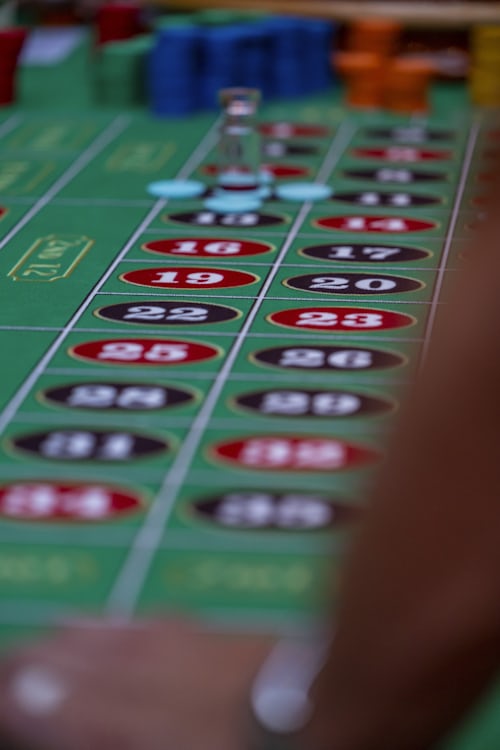
Additionally, the idea of beating the odds offers a compelling narrative for many players. Casinos often promote games like poker and blackjack as requiring skill, thus enticing players with the belief that they can influence outcomes. This illusion of control over seemingly random results fuels the desire to return, as players seek to validate their skills or strategies through actual wins.
The Role of Social Interaction
Casino games often serve as social hubs, transforming gambling into a communal experience. The social interaction involved in playing games like baccarat or roulette can enhance the enjoyment factor, making it more than just a solitary pursuit. Many players find themselves drawn back not only for the chance to win but for the camaraderie shared with fellow gamblers, dealers, and friends.
Furthermore, the atmosphere in casinos is engineered to promote interaction. The vivid sounds of machines, the cheers from winning tables, and the general excitement create an environment that fosters social engagement. This sense of belonging and connection can lead to a repeated desire to visit casinos, as players seek to recreate these satisfying social experiences.
The Impact of Environment and Design
The design of casinos plays a significant role in their ability to attract and retain players. Casinos are often lavishly decorated, with no windows or clocks to provide players with a sense of time. This deliberate design choice keeps players engaged for longer periods, as they become absorbed in the gaming experience without the distractions of the outside world.
Lighting and sound also play critical roles in creating a compelling atmosphere. Bright lights on slot machines and the sound of coins clinking can create a euphoric environment that reinforces the excitement of playing. This sensory stimulation is carefully crafted to enhance player retention and keep individuals returning in hopes of replicating the feelings of joy and thrill experienced during previous visits.
The Psychological Traps of Gambling
Several psychological mechanisms contribute to the enduring allure of casino games. One such mechanism is the concept of “near misses,” where players come close to winning but ultimately lose. This phenomenon can lead to frustration that paradoxically encourages continued play. Players may interpret these near misses as signals that a win is just around the corner, thus compelling them to keep gambling in hopes of achieving that elusive victory.
Additionally, the phenomenon of “loss aversion” plays into the psychology of gambling. Players often prefer to avoid losses rather than acquiring equivalent gains, making them more likely to return to the tables to recover lost money. This strong desire to reclaim losses can create a cycle that keeps players engaged long after they intended to leave.
Understanding Responsible Gambling and Player Support
While the excitement of casino games is unmistakable, it is crucial for players to engage responsibly. Many casinos recognize the need for player protection and have established support systems to promote responsible gambling. These resources include self-exclusion programs, betting limits, and counseling services aimed at helping individuals maintain control over their gambling habits.
Awareness and education about the psychological factors influencing gambling can empower players to make informed choices. By fostering a balanced approach to gameplay, casinos can create an environment where joy and entertainment remain at the forefront, while minimizing the risks associated with compulsive gambling behaviors.